
Brake Repair in San Antonio, TX
Brake Repair in San Antonio, TX
Keeping Your Brakes in Top Condition
How Do You Know When Your Brakes Need Attention?
Your brakes are one of the most critical safety systems in your vehicle, and they rarely fail without warning. At Finsanto Tire & Auto Repair, our ASE-certified technicians encounter a variety of brake issues daily. A common theme is that drivers often notice something unusual long before bringing their car in for service. A squealing or grinding noise when braking typically indicates that your brake pads have worn down to the metal wear indicators, which are designed to alert you before serious damage occurs. If you feel a spongy or soft brake pedal, this may point to air in the brake lines or an issue with the master cylinder, both of which can significantly compromise your stopping power. Additionally, if your vehicle pulls to one side when braking, it often suggests uneven wear on your brake pads or a sticking brake caliper. Vibration in the steering wheel during braking is frequently caused by warped brake rotors, which can develop from repeated heavy braking or overheating. A dashboard warning light related to your brakes or ABS should never be ignored. This light indicates that your vehicle’s onboard diagnostics have detected a fault that requires professional evaluation. One of the most dangerous warning signs is increased stopping distance, as noticing this means your safety margin in an emergency has already diminished. If you’re experiencing any of these symptoms, it’s essential to reach out to a qualified brake repair shop sooner rather than later. Addressing these issues early can prevent a minor service from turning into a major repair.
What Does a Complete Brake Service Involve?
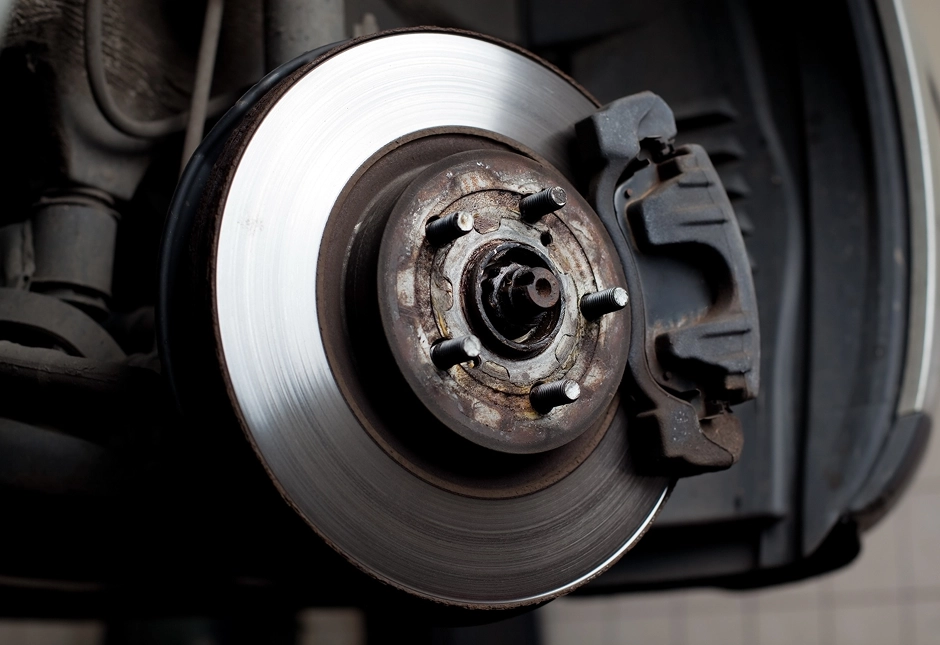
Brake repair requires a thorough inspection to ensure safety and effectiveness. At Finsanto Tire & Auto Repair in San Antonio, TX, our technicians evaluate every component of your braking system, beginning with the brake pads and rotors. We measure brake pad thickness and check rotors for scoring, warping, and compliance with minimum thickness requirements. If the rotors are damaged but still thick enough, they may be machined; otherwise, they must be replaced. We also inspect brake calipers for proper operation, as a malfunctioning caliper can cause premature pad wear and excessive heat. Brake fluid is tested for moisture levels since it absorbs water over time, which can lower its boiling point. A brake fluid flush is recommended if the moisture level is high or if the fluid appears dark. For vehicles with drum brakes, we check the brake shoes, wheel cylinders, and emergency brake adjustments. ABS diagnostics are performed when warning lights are on, helping us identify issues with wheel speed sensors or the ABS module. All findings are documented in a digital inspection report for transparency in our recommendations.
Why Choosing the Right Brake Repair Shop Matters
Not all brake repair shops offer the same level of service, and this can impact your safety on the road. At Finsanto Tire & Auto Repair, we use OEM or equivalent-quality parts to ensure your safety isn’t compromised. Our trained technicians also check for issues such as worn wheel bearings, which can mimic brake noise, and inspect brake lines for corrosion or leaks. Before any repairs, we discuss our findings and recommendations with you, ensuring you’re well informed throughout the process. You can contact our team at (210) 684-2277 or visit us at 9354 Bandera Rd, San Antonio, TX 78250 to schedule an appointment. We’re open Mon – Fri: 7:30am to 6pm, with online scheduling available for convenience. Whether it’s a brake pad replacement or a more complex repair, Finsanto Tire & Auto Repair delivers honest assessments and quality workmanship. Investing in proper brake service is crucial for your safety and that of others on the road.
Frequently Asked Questions
Have Questions? We Have The Answers!
Brake pad replacement intervals vary depending on your driving habits, vehicle type, and the quality of the pads installed. Most manufacturers suggest inspecting brake pads every 12,000 miles, with replacement commonly needed between 25,000 and 70,000 miles. A professional inspection gives you the most accurate picture of your specific situation.
A spongy brake pedal is most often caused by air trapped in the brake lines or moisture-contaminated brake fluid. It can also indicate a failing master cylinder. This symptom should be addressed promptly, as it directly affects your ability to stop the vehicle reliably and safely.
Brake repair costs vary based on your vehicle’s make and model, which components need attention, and whether you need a simple pad replacement or a more comprehensive repair involving rotors, calipers, or brake lines. Getting a thorough inspection first ensures you only pay for what your vehicle actually needs.
Driving with a brake warning light illuminated is not recommended. The light may indicate low brake fluid, worn brake pads, or an ABS fault. While some causes are less urgent than others, only a professional diagnosis can determine the severity, and delaying that inspection increases your risk on the road.
A brake fluid flush involves removing the old fluid from the entire braking system and replacing it with fresh fluid. It is typically recommended when the fluid shows elevated moisture content or visible contamination. Many manufacturers suggest this service every two to three years, though your driving conditions can affect that interval.